Omnichannel UX/UI
WeChat CRM post-booking journey redesign
This project redesigned Thomas Cook China's post-booking service experience around a WeChat CRM message system, with the Destination Guide landing page as the most visible service touchpoint for booked travellers.

Problem Statement
The service gap between booking and travel readiness.
After booking, travellers still needed to understand visa materials, packing needs, destination rules, local precautions and service contacts. The information was split across product, operations, customer service, visa and content teams, creating repeated enquiries and extra alignment work internally.
Travellers did not know the next step
Purchase confirmation did not equal service clarity. Customers still asked when to submit documents, what to prepare, where to read pre-trip details and who to contact locally.
Destination and visa content was hard to standardise
Different destinations, trip types and travel modes required different visa materials and local reminders, so content had to be both accurate and reusable.
Cross-functional information was fragmented
IT, CRM, product, operations, service and content teams each owned part of the service picture, without a shared journey view for what should be proactively pushed.
Core outcome: the CRM message system.
I broke the post-booking service journey into a sequence of CRM touchpoints, so travellers could receive the right information in WeChat by time and task instead of searching across service chats, group messages and separate pages.
01
Payment success
Confirm the order and service relationship
02
Order / contract
Surface contracts, confirmation letters and basic guidance
03
Visa materials
Push destination-specific material packages
04
Pre-trip checklist
Organise preparation tasks, packing and timing reminders
05
Destination Guide
Centralise destination knowledge and local suggestions
06
On-trip support
Provide contacts, emergency details and supplementary reminders
07
Feedback survey
Collect online ratings and guide-led qualitative feedback
Reconstructing a service journey map for execution.
Internally, the team used a Smaply map to support cross-team journey work. Here, it is shown as an execution-focused service map that connects traveller needs, internal ownership and CRM responses.
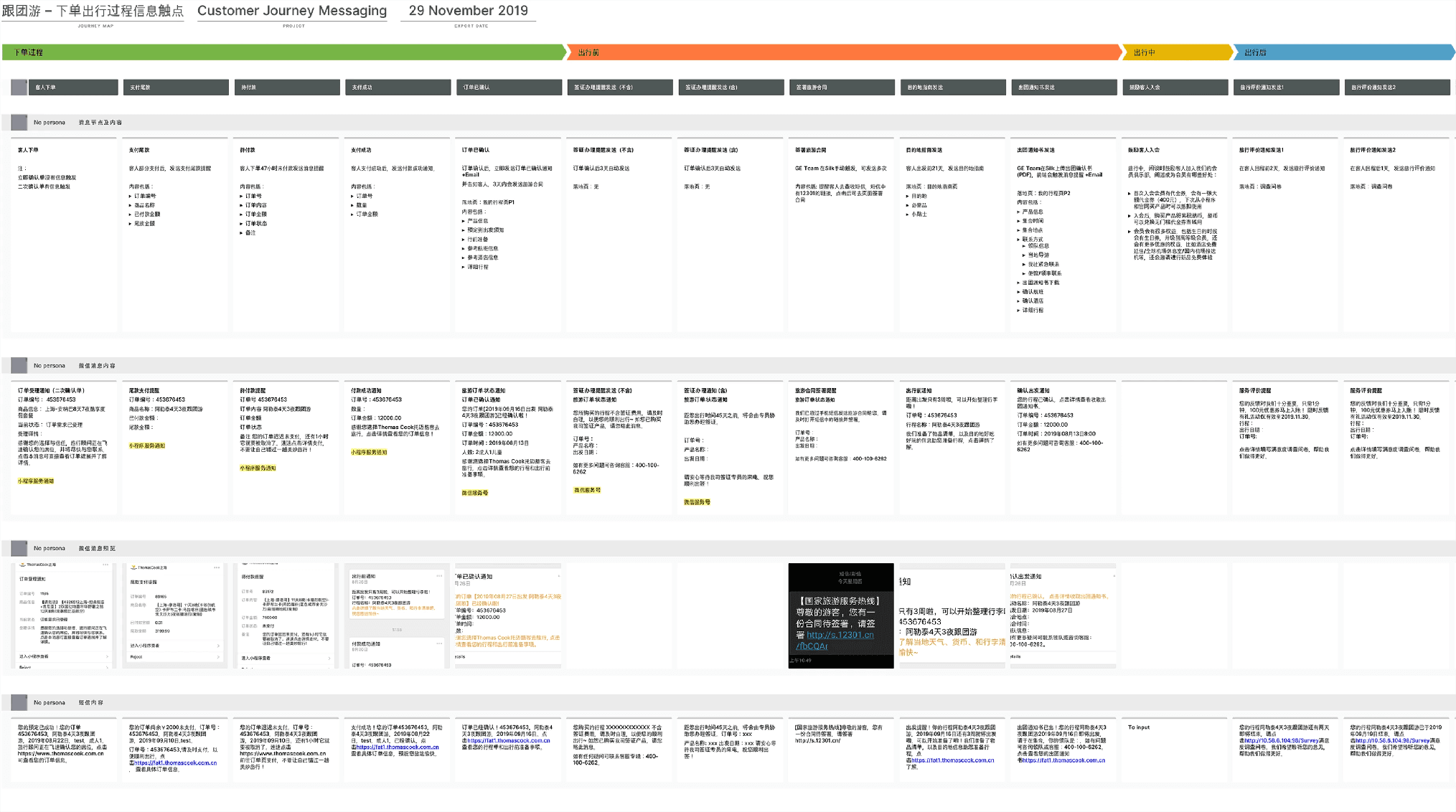
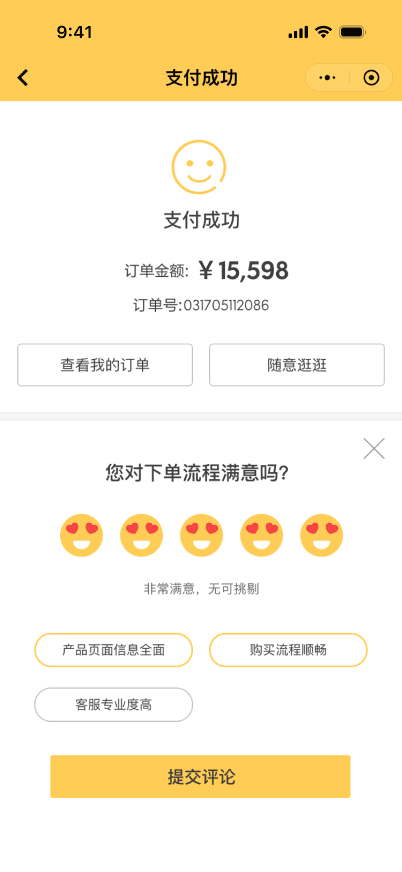
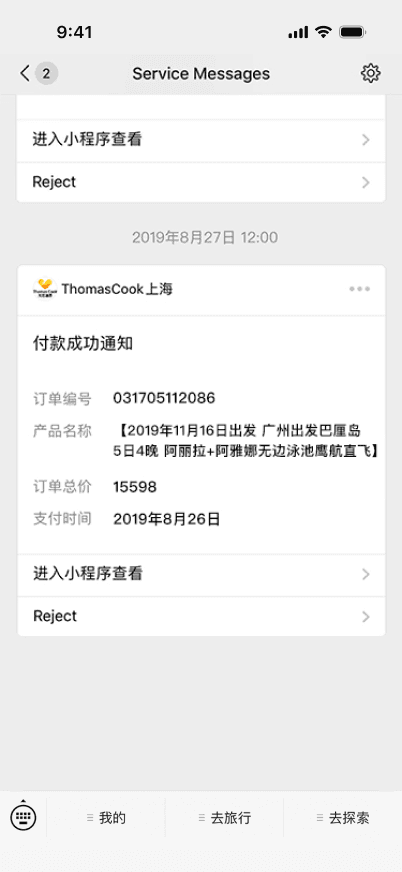
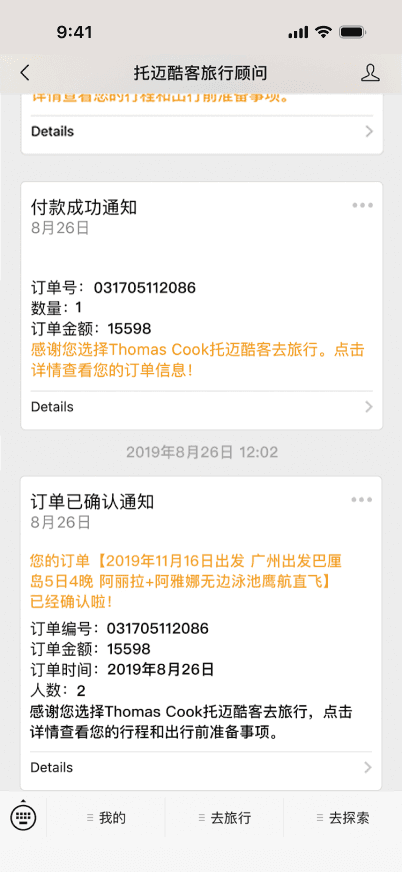

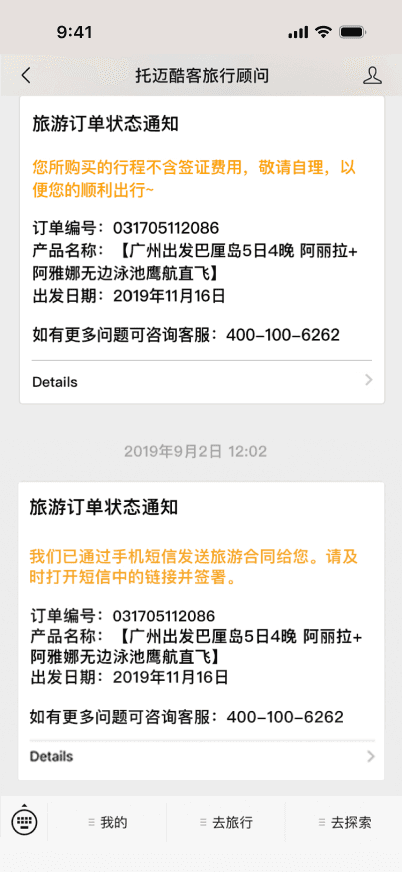
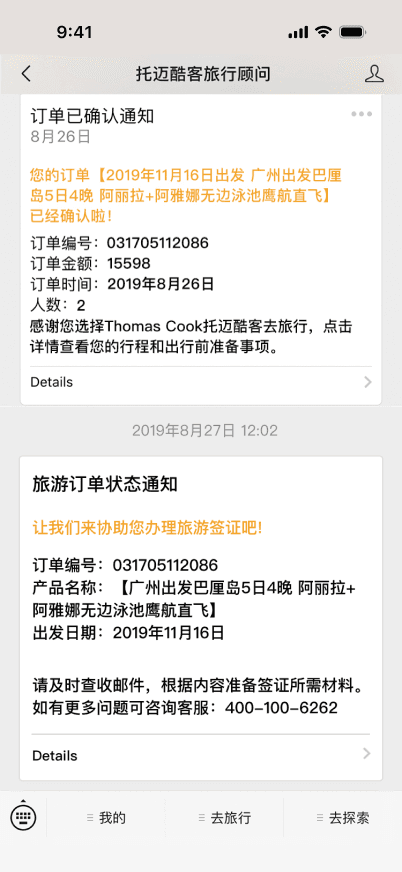
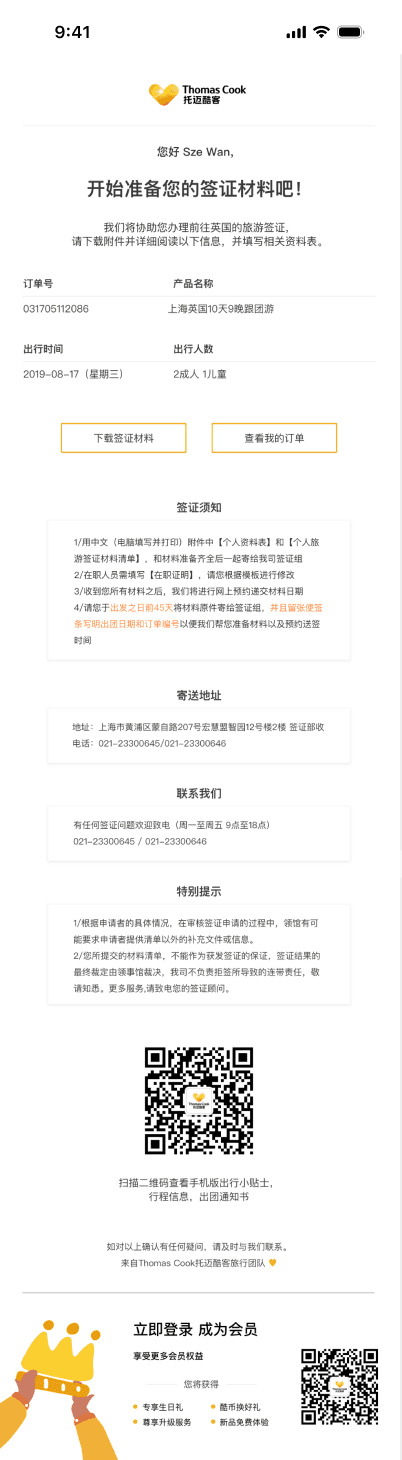
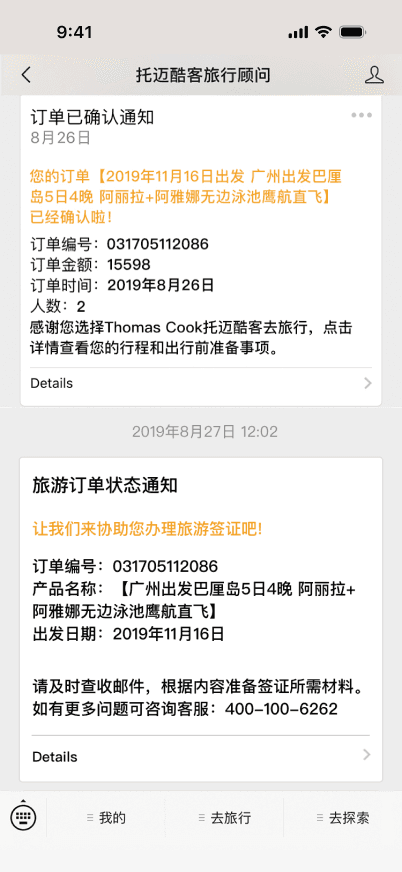

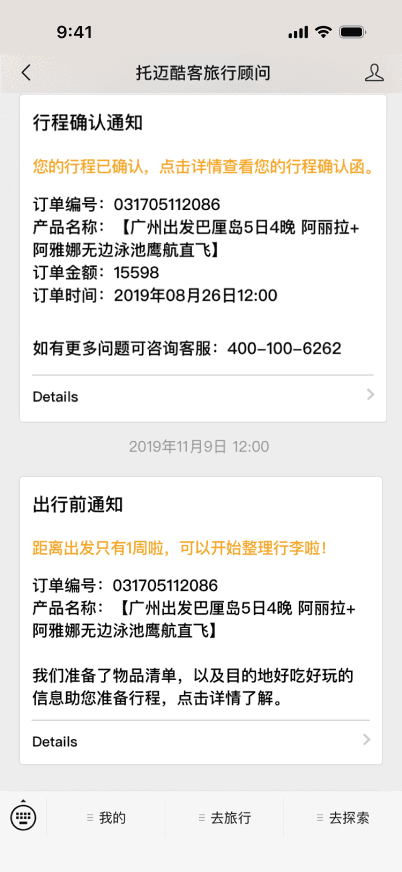
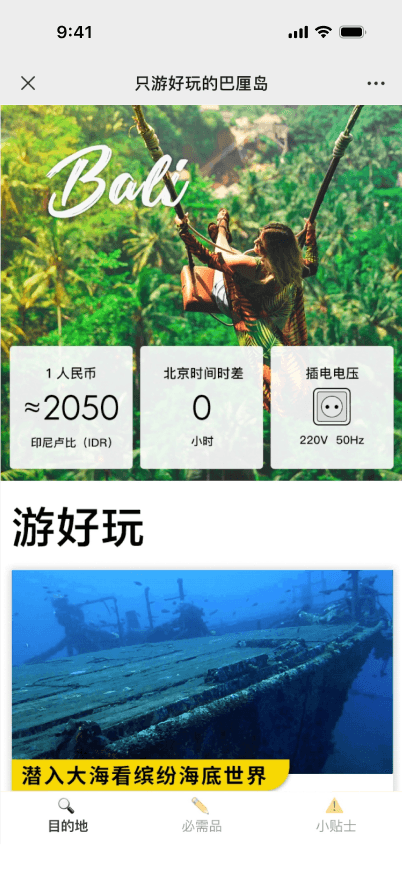
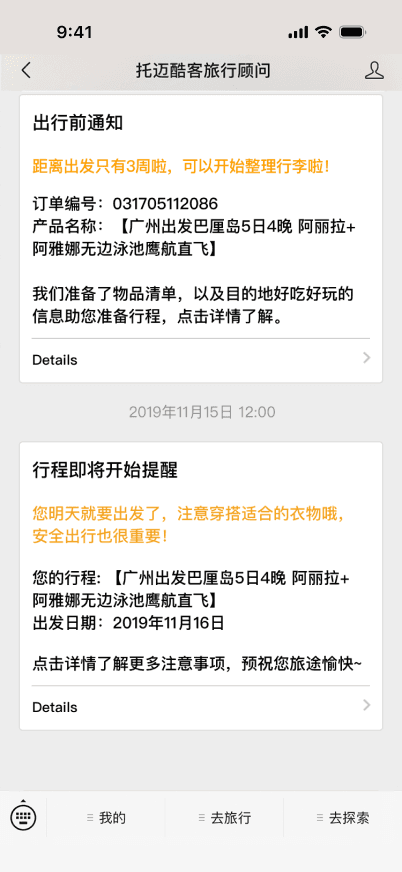
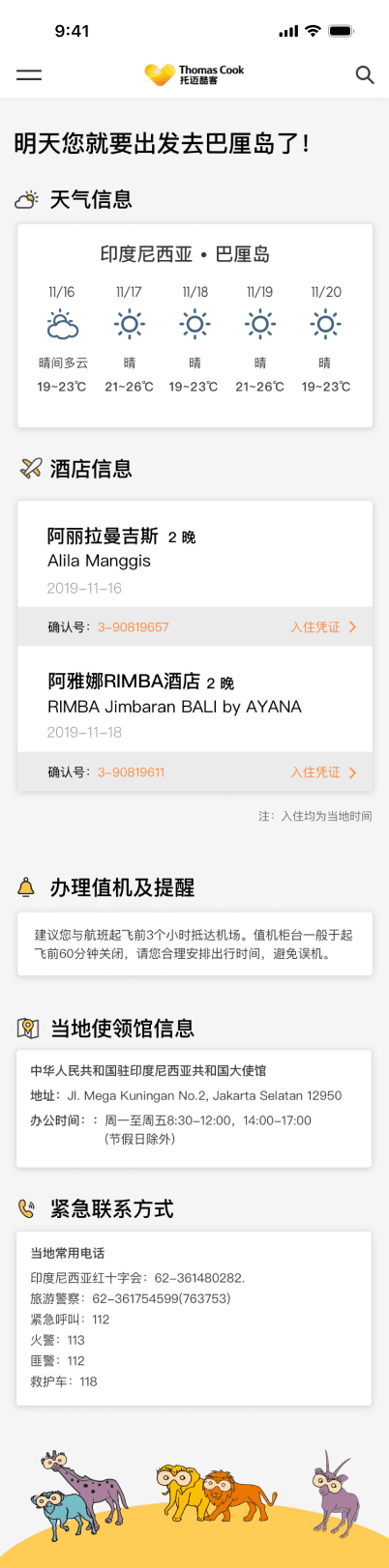
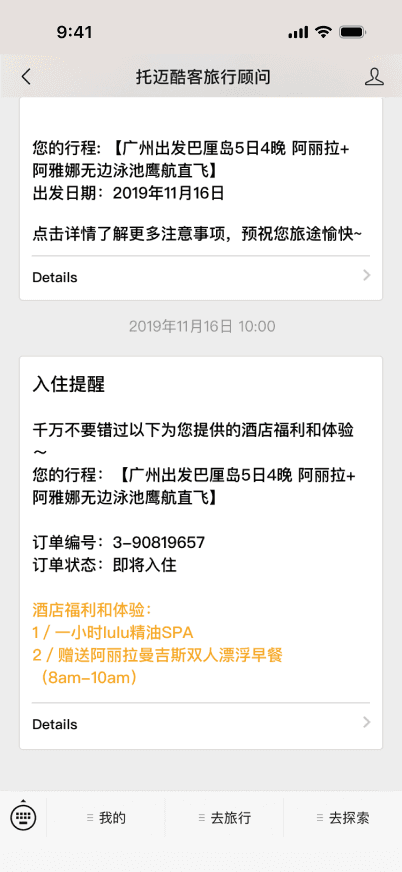
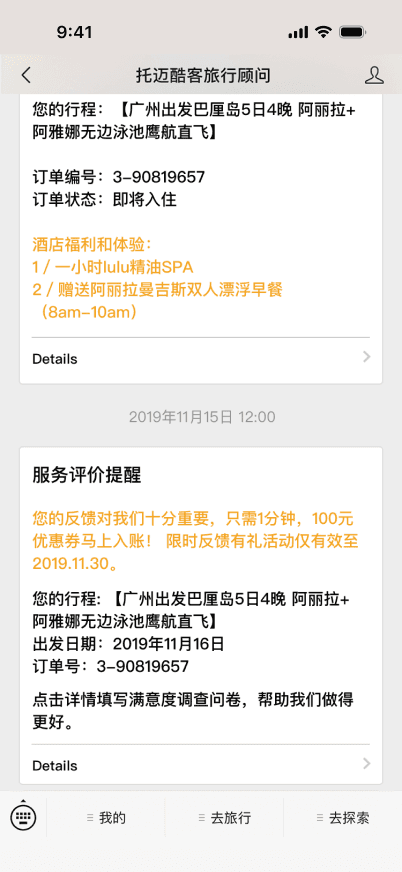

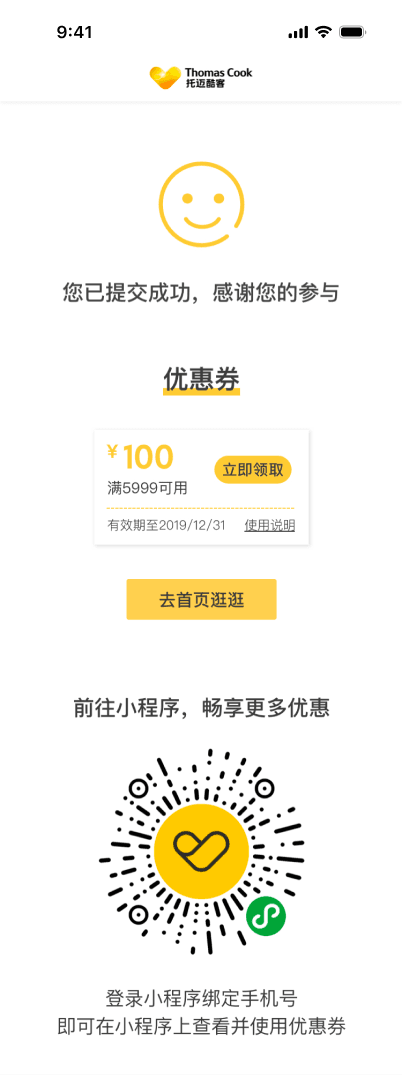
Highlighted touchpoint: Destination Guide landing page.
The Destination Guide was the most experience-led part of the CRM flow. It brought preparation, destination knowledge and local lifestyle suggestions into a mobile-friendly entry point, reducing enquiries while making the service feel more proactive and considered.
Responsible destination choices
The guide extended the brand's responsible travel tone with sustainable ways to explore, local authentic choices and lesser-known destinations that helped travellers avoid over-tourism routes.
Essentials first
Climate, transport, safety, cultural etiquette and local rules were placed early to address the most common pre-trip uncertainties.
Pre-trip checklist memo
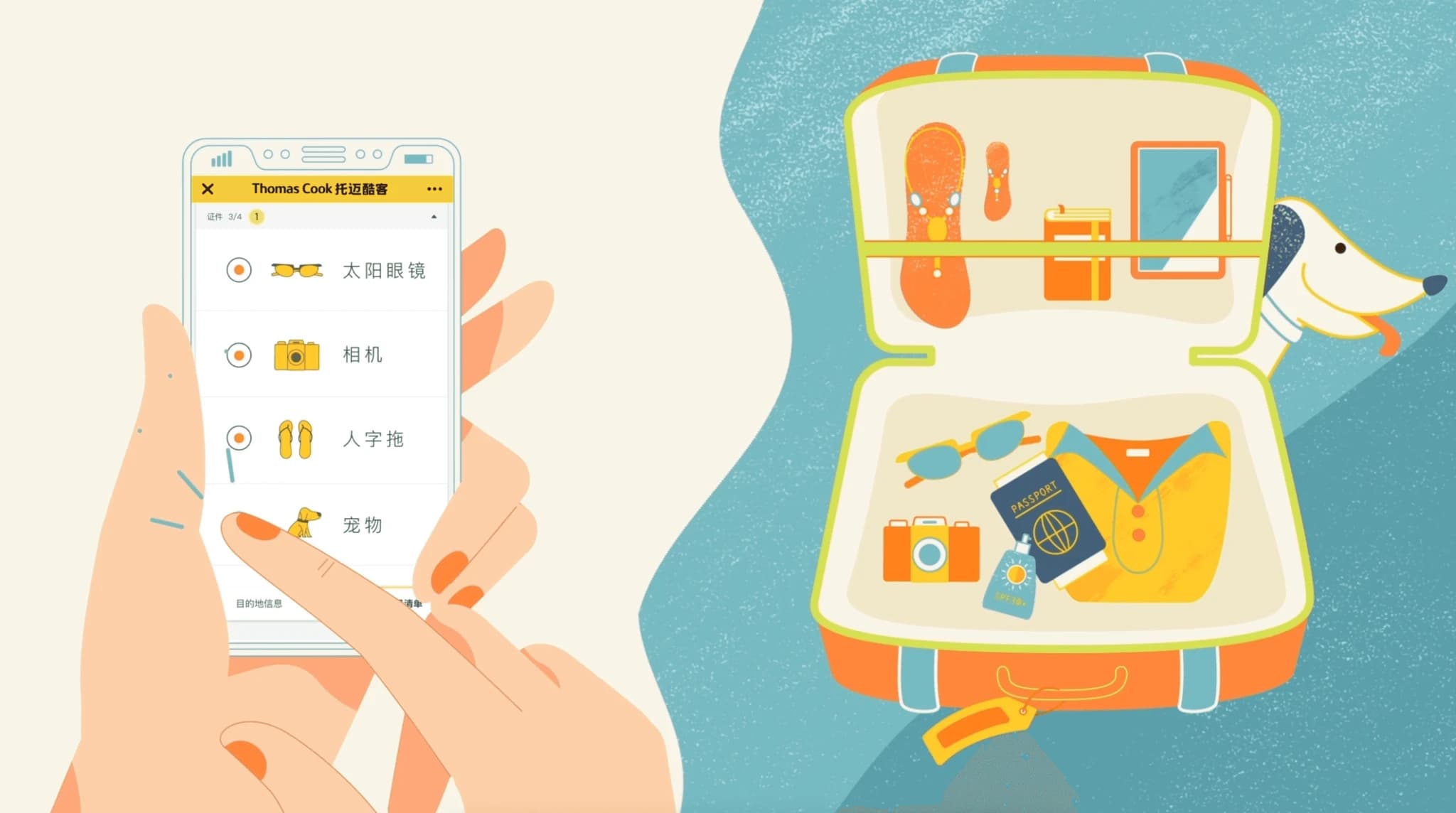
Travellers could use the guide like a preparation checklist, confirming passports, visa materials, clothing, medicine, adapters and local contacts before departure.

Cross-functional delivery: turning content into a maintainable system.
The hardest part was not a single page design, but helping multiple teams keep destination content accurate with low operational effort. After aligning with IT, we translated the guide and CRM content into CMS forms, then trained product teams on content direction, field usage and examples.
CMS form structure
Destination introductions, visa reminders, pre-trip checklists and local precautions were broken into manageable fields instead of rebuilt page by page.
Content training
Product teams received guidance on what should be proactively pushed and what should live as supporting information inside the page.
Shared service view
Product, visa, operations, service and content teams were aligned around one customer journey, reducing handoff friction and rework.
Result and impact
4.5+ / 5
CRM flow satisfaction
Feedback came from travelled customers, combining WeChat online ratings with qualitative field feedback collected by tour guides.
Primary goal
Reduce repeated service enquiries
Proactive materials, pre-trip checklists and destination content helped customers find answers before asking service teams.
Internal effect
Lower content maintenance pressure
CMS forms and training helped product teams maintain destination content more consistently, while service teams could reference the same source.
Value as an Interactive Designer
01
The project showed that travel service quality is shaped by every team in the journey, not only by the customer service team.
02
My value was translating operational complexity into customer-facing CRM touchpoints that travellers could actually see and use.
03
Earlier co-creation around a shared service journey would have reduced rework and lowered the cost of cross-team alignment.